


Insomnia is a big problem for many, messing up our sleep and health. It makes it hard to fall or stay asleep, waking up too early. Over 60 million Americans face this issue.
It hurts our memory, focus, and overall health. So, people are looking for natural ways to fight insomnia. The search for gentle sleep therapies has grown, offering a break from usual medicines. We’ll look into natural and gentle methods to help manage insomnia, so we can all sleep better.
Key Takeaways
- Insomnia affects millions, impacting daily life.
- Natural remedies for insomnia are increasingly popular.
- Gentle therapies offer alternatives to prescription medications.
- Effective insomnia management includes various natural approaches.
- Exploring holistic options can enhance sleep quality.
Understanding Insomnia: Causes and Symptoms
Insomnia can hit anyone, and we often wonder about its causes. Stress, anxiety, and lifestyle choices are common culprits. Health issues like depression, diabetes, or heart disease can also disrupt sleep. Knowing these causes helps us tackle the problem and find better sleep solutions.
Insomnia symptoms show up in different ways. You might find it hard to fall asleep, wake up a lot at night, or feel tired in the morning. These signs not only mess with your mood and energy but also make daily tasks tough.
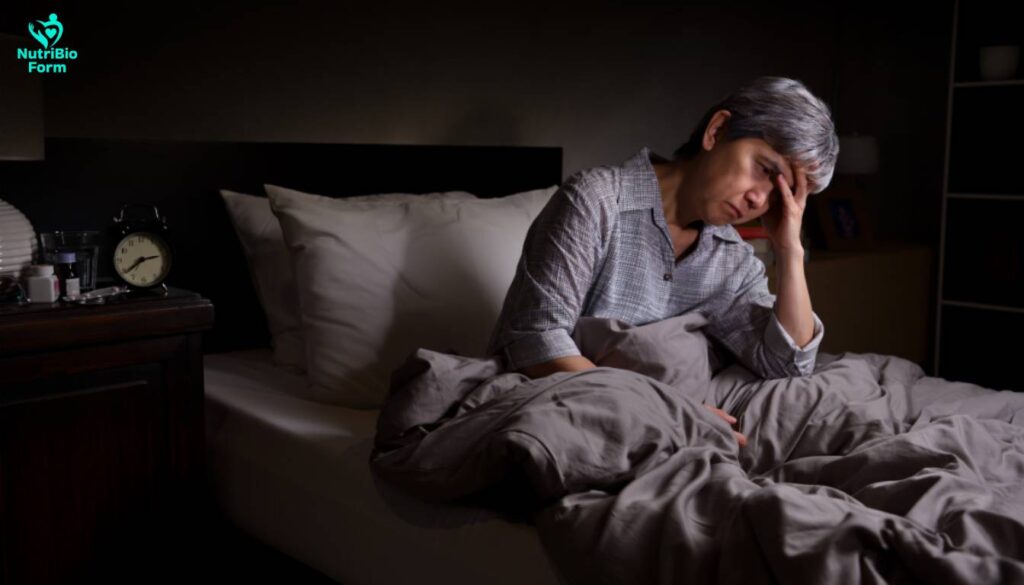
It’s also important to know the types of insomnia. There’s acute insomnia, which lasts a few days to weeks, and chronic insomnia, which goes on for months or more. Knowing this helps us see how serious our situation is and find the right treatments.
Natural Remedies for Insomnia: Gentle Therapies for Better Sleep
Many of us look for natural ways to beat insomnia. We want to relax and sleep better. Gentle therapies are appealing because they’re holistic and have fewer side effects than meds. By trying different sleep tips, we can find what works best for us.
Overview of Natural Remedies
Natural insomnia treatments include herbal supplements, mindfulness, and lifestyle changes. These methods help calm our minds and bodies for sleep. People like them because they’re natural and safer than drugs.
Common Gentle Therapies for Sleep Improvement
Adding gentle therapies to our bedtime routine can be very helpful. Yoga, meditation, and aromatherapy are popular for their calming effects. Here are some options to consider:
- Yoga: Gentle stretches can help ease tension and prepare us for sleep.
- Meditation: Focusing on breath and awareness can lower anxiety and bring peace.
- Aromatherapy: Calming scents, like lavender, can improve our sleep quality.
Herbal Remedies: The Power of Nature
Herbal remedies for insomnia offer a natural way to improve sleep. Many people use them to help with sleep problems without drugs. Valerian root, chamomile tea, and melatonin supplements are popular choices, each with its own benefits.
Valerian Root: A Sleep Aid
Valerian root is known for helping improve sleep. Studies show it can make falling asleep faster. It’s a natural option that many prefer over drugs because it’s safer.
Chamomile: Nature’s Relaxant
Chamomile tea is loved for its calming effects. It can help relax the mind and body, making it easier to fall asleep. Drinking it before bed can start a calming routine for a good night’s sleep.
Melatonin: Regulating Sleep Cycles
Melatonin supplements help control sleep-wake cycles. This hormone tells our body when it’s time to sleep. It’s great for those who have trouble sleeping through the night.
| Herbal Remedy | Benefits | Usage |
|---|---|---|
| Valerian Root | Enhances sleep quality, reduces sleep onset time | Available in capsules or teas before bedtime |
| Chamomile Tea | Promotes relaxation and soothes anxiety | Consumed as a tea 30 minutes before sleep |
| Melatonin Supplements | Regulates sleep cycles and improves sleep onset | Taken in supplement form 30-60 minutes prior to bedtime |
These herbal remedies show how nature can help with sleep. Exploring these options can help find the best solution for sleep problems.
Meditation and Mindfulness for Better Sleep
Mindfulness meditation and guided meditation are great for getting a good night’s sleep. They help us relax and reduce stress, which is important for sleep. By using mindfulness meditation, we can calm our minds and improve our sleep.
The Role of Mindfulness Meditation
Mindfulness meditation helps us stay in the present moment. It lets us forget worries and thoughts that keep us awake. Studies show it can really help with insomnia.
By practicing mindfulness, we get our bodies and minds ready for sleep. It’s a powerful way to prepare for a peaceful night.
Benefits of Guided Meditation
Guided meditation is a helpful tool for better sleep. It uses an instructor’s voice or recordings to guide us. This helps us relax and focus on sleep.
It’s especially good for improving sleep quality and duration. Mindfulness and guided meditation work together to help us sleep better.
Physical Practices: Yoga and Exercise
Recent studies have shown a link between physical activity and sleep. Yoga, in particular, has been found to improve sleep quality. It helps reduce insomnia symptoms. A mix of yoga and other exercises can make our nights more restful.
Yoga: Poses for Relaxation
Yoga is a gentle way to relax. Poses like Child’s Pose, Legs-Up-The-Wall, and Corpse Pose calm the body and mind. They are great for winding down before bed.
Adding yoga to our evening routine signals to our body it’s time to sleep. This helps us have a peaceful night.
How Exercise Impacts Sleep
Exercise and insomnia have a strong connection. Regular activity can reduce stress and improve sleep patterns. Studies show that moderate exercise, like brisk walking, can greatly enhance sleep.
Exercise can make us feel more alert and refreshed during the day. It’s key to a good sleep experience.
Acupuncture and Acupressure: Ancient Techniques for Sleep Relief
We can try acupuncture and acupressure for better sleep. These methods come from traditional Chinese medicine. They help with insomnia. Acupuncture uses needles to help energy flow and relax the body.
It improves sleep quality and supports natural sleep processes.
Understanding Acupuncture’s Effects
Studies show acupuncture can help with sleep. It targets specific points to reduce stress and anxiety. This makes it easier to relax and sleep well.
It also releases chemicals that calm the mind and body. Adding acupuncture to our sleep routine can greatly improve our sleep.
Self-Acupressure Techniques
Self-acupressure is a hands-on way to help sleep. It uses fingers to press on acupoints, like acupuncture. Points like Yintang and P6 can help relax and sleep better.
Using these techniques can make it easier to fall asleep. They are a great addition to our sleep remedies.

Aromatherapy: Scenting Your Way to Sleep
Aromatherapy for sleep is a gentle way to improve our sleep. Lavender oil is especially good for this, as it calms us down. Studies show it helps us relax and feel less anxious, which helps us sleep better.
The Benefits of Lavender Oil
Lavender oil is known for its relaxing effects. It lowers our heart rate and blood pressure, making us feel calm. Using it in a diffuser can make our bedrooms feel peaceful.
Adding lavender oil to our evening routines or baths can also help. It turns our space into a calm place to rest.
Using Essential Oils Effectively
There are many ways to use aromatherapy for sleep. Mixing lavender oil with a carrier oil and applying it to pulse points is one method. Making a lavender pillow spray is another.
By using essential oils the right way, we can sleep better. It’s all about finding the best method for you.
Creating a Bedtime Routine for Better Sleep Quality
Having a regular bedtime routine is key for better sleep. By adding different therapies and relaxation methods, we make our sleep area perfect for rest. A good routine tells our body it’s time to relax and builds habits for a calm night.
Incorporating Multiple Therapies
Adding various therapies to our bedtime routine can greatly improve sleep. These might include:
- Herbal remedies like chamomile tea, known for its calming effects.
- Meditation techniques that help quiet the mind.
- Gentle yoga stretches to release tension.
Trying out these therapies can help us find what works best for our sleep and health.
Establishing Relaxation Techniques
It’s important to use effective relaxation techniques before bed. Some easy ways include:
- Reading a favorite book to shift focus away from daily stressors.
- Taking a warm bath infused with lavender oil to soothe the senses.
- Practicing deep breathing exercises to promote calm.
These methods help our body and mind relax, leading to a better night’s sleep.

Safety Considerations and Possible Side Effects
Exploring natural remedies for insomnia is important. We need to know the safety of herbal remedies. Many are seen as safe, but caution is key, especially with other meds. Some herbs can interact and cause health problems.
Herbal Remedies Safety Guidelines
To stay safe with herbal remedies, follow these tips:
- Research each herbal remedy thoroughly to understand its effects and potential side effects of sleep therapies.
- Start with smaller doses to monitor our body’s response.
- Be aware of any allergens or sensitivities to specific herbs.
- Keep a diary of our experiences to track changes in sleep quality and any adverse effects.
Consulting Health Professionals
Always talk to a health professional before trying new treatments. This is crucial for those with health issues or who are pregnant. They can offer tailored advice and help avoid bad interactions with other meds.
Conclusion
Natural therapies offer effective sleep strategies for many of us. They help us find better sleep without relying on drugs. This approach invites us to explore holistic methods that meet our needs.
Understanding insomnia’s causes and symptoms helps us choose the right methods. Practices like mindfulness meditation and herbal remedies can be part of our bedtime routine. These natural therapies are powerful tools for better sleep and a fresh start every morning.
Embracing these gentle techniques can improve our sleep and overall well-being. By committing to these effective strategies, we learn that good sleep is possible for everyone.