
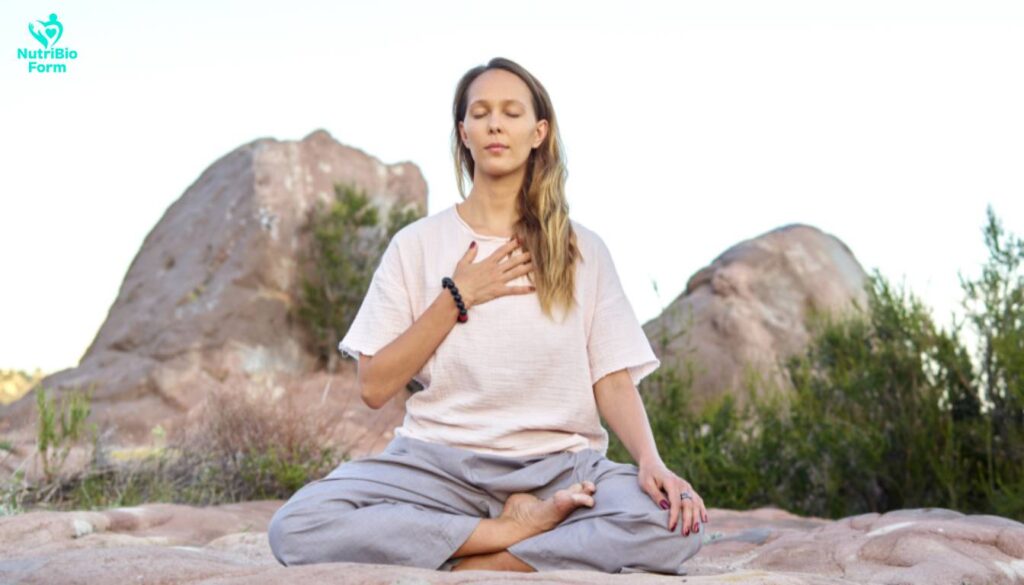

Meditation is a strong tool for fighting stress. It helps us deal with the challenges of today’s world. By adding meditation to our daily lives, we can naturally reduce stress and find peace.
Learning how meditation affects our bodies and minds helps us fight stress in a healthy way. It’s a natural and fulfilling approach.
Key Takeaways
- Meditation is an effective method for achieving stress relief.
- Mindfulness practices enhance our emotional well-being.
- Regular meditation promotes natural stress reduction.
- Understanding meditation can empower us to reclaim mental peace.
- Incorporating meditation into our routines supports relaxation.
- Stress relief through meditation benefits both body and mind.
Understanding Meditation and Stress Relief
Meditation is a strong tool for handling stress and boosting our emotional health. It helps us live better lives. Let’s look at what meditation is, how it changes our brain, and its emotional benefits.
Definition of Meditation
Meditation is about finding calm and understanding ourselves better. It helps us focus and ignore distractions. This way, we can see things more clearly and understand ourselves and the world around us.
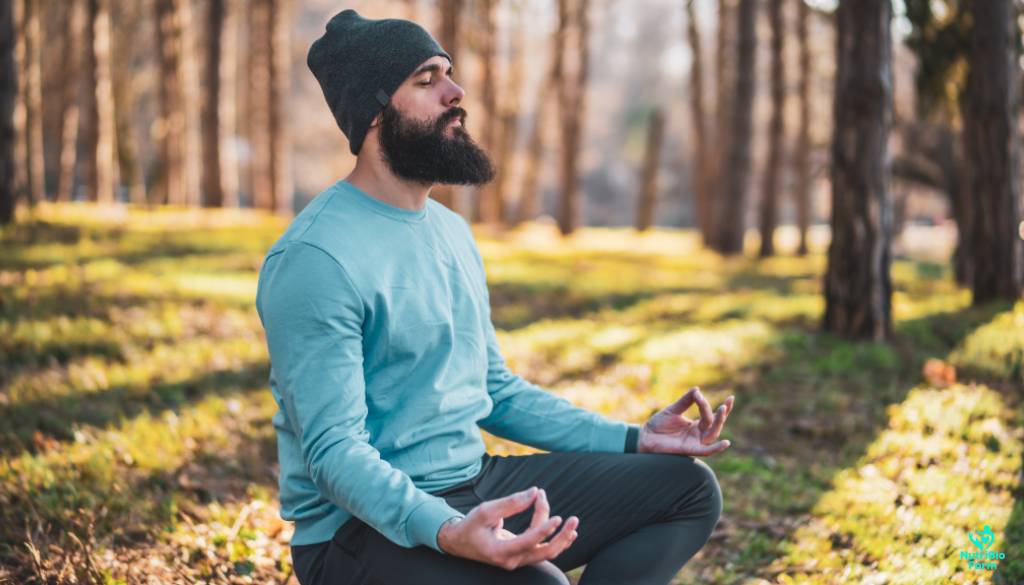
Neurological Impact of Meditation
Studies show meditation is good for our brain. It makes parts of our brain work better for handling emotions and stress. It also lowers stress hormones and makes us feel more relaxed.
Emotional Benefits of Meditation
Meditation brings many emotional benefits. It makes us feel calm and helps us know ourselves better. It also helps us deal with bad feelings and makes us stronger against stress. This way, we can handle life’s challenges more easily.
The Science Behind Stress and Its Effects
The body’s natural stress response, known as the fight-or-flight response, is key to survival. It uses hormonal pathways to get us ready for danger. But, constant stress can harm our health over time.
Stress Response in the Body
When we face stress, our body releases hormones like adrenaline and cortisol. These hormones make our heart beat faster, blood pressure go up, and energy levels increase. This helps us react quickly to threats. Yet, long-term stress can harm our health.
Chronic Stress and Health Risks
Stress hormones can cause lasting health problems. Studies show chronic stress can lead to high blood pressure, anxiety, and heart disease. These risks can seriously affect our mental and physical health. They can even change how our brain works, affecting our mood and thinking.
| Chronic Stress Effects | Associated Health Risks |
|---|---|
| Hypertension | Heart Disease |
| Anxiety Disorders | Panic Attacks |
| Insomnia | Depression |
| Digestive Issues | Obesity |
Meditation Mindfulness and Stress Natural Ways to Reduce Stress
Mindfulness is a strong tool in our fight against stress. It helps us stay in the moment, letting us see our thoughts and feelings without judgment. By doing so, we learn to handle stress better and become more resilient.
Key Practices in Mindfulness
Mindfulness techniques like mindful breathing and body scanning are very helpful. They keep our focus on the present, helping us stay calm. When we focus on our breath, our nervous system relaxes, and we feel more grounded.
Body scanning connects us with our body, making us feel more relaxed and emotionally balanced.
Impact of Mindfulness on Stress
Studies show that being present in the moment is key to lowering stress. As we become more aware, we feel less stressed. This inner strength helps us tackle challenges better, not react impulsively.
Mindfulness changes how we deal with stress, making us face life’s hurdles with clarity and calmness.
| Mindfulness Practice | Description | Benefits |
|---|---|---|
| Mindful Breathing | Focused attention on inhaling and exhaling | Reduces anxiety, promotes relaxation |
| Body Scanning | Systematic awareness of body sensations | Enhances physical and emotional awareness |
| Sensory Awareness | Mindful observation of sights, sounds, and sensations | Improves engagement with the environment |
Different Types of Meditation for Stress Relief
Exploring various types of meditation can help us find the best way to manage stress. Each method offers unique practices and benefits. Understanding these can lead to better relaxation and emotional balance.
Mindfulness Meditation
Mindfulness meditation focuses on the present moment. It encourages us to watch our thoughts and feelings without judgment. By paying attention to our breath and body, we can lower stress and feel calmer.
Guided Meditation
Guided meditation uses visualization led by instructors or audio guides. It lets us dive into peaceful images, helping us relax. These structured sessions are great for those who struggle to meditate alone.
Loving-Kindness Meditation
Loving-kindness meditation builds compassion for ourselves and others. By silently saying kind phrases, we connect emotionally, boosting our well-being. This style often leads to more empathy and positive feelings, reducing stress.
Body Scan Meditation
Body scan meditation increases awareness of our body’s sensations. As we mentally check each part, we find and release tension. This technique helps us ground, relieving physical stress and promoting relaxation.
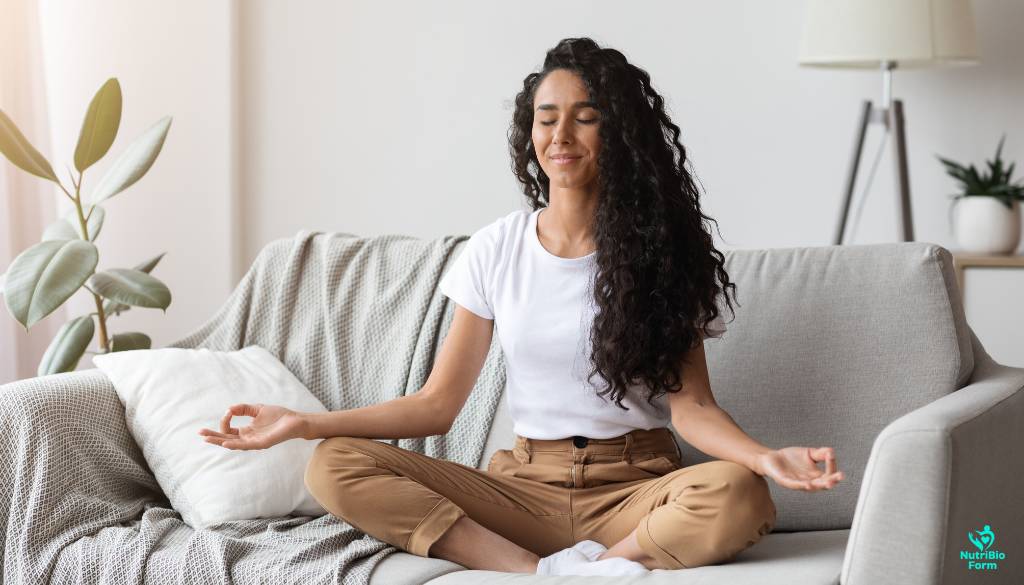
The Benefits of Meditation for Reducing Stress
We all look for ways to handle stress better. Meditation is a great tool that offers quick benefits, like peace and focus. It also helps us feel better in the long run.
Short-Term Stress Relief
Meditation is like a calm haven when we’re stressed. It helps us find peace and clarity. By practicing mindfulness, we can control our thoughts and feelings, easing anxiety and tension.
Long-Term Health Benefits
Regular meditation brings many health perks. Studies show it lowers anxiety and boosts our immune system. It changes how we handle stress, making us stronger and happier over time.
How Meditation Can Boost Emotional Resilience
Emotional resilience helps us deal with life’s ups and downs. Meditation is a strong tool for building this trait. It improves our coping skills and self-awareness. By making meditation a daily habit, we prepare ourselves to face tough times with confidence.
Building Coping Skills
Meditation helps us develop better coping skills. It teaches us to handle stressors more wisely, leading to smarter decisions. Regular practice also helps us manage our emotions, reducing anxiety and bringing calm.
As we improve our coping skills, we react less to stress. This leads to better emotional stability.
Enhancing Self-Awareness
Self-awareness is key to managing stress. Meditation helps us understand our thoughts and feelings better. This insight lets us see our stress triggers clearly.
With this self-awareness, we can make changes in how we respond to stress. This way, we become more resilient to life’s challenges.
Incorporating Meditation into Daily Life
Making meditation a part of our daily routine can change how we handle stress. Starting a daily meditation habit helps us get the most out of it. Simple techniques make it easier to begin, making our meditation journey rewarding and easy.
Creating a Consistent Practice
Being consistent with meditation is key. Short daily sessions might be better than longer ones now and then. This helps us stay calm and mindful all day. Using reminders or setting a specific time for meditation keeps us on track.
Simple Meditation Techniques for Beginners
Beginners can start with easy techniques like focused breathing or walking meditation. These methods introduce us to meditation gently and help us stay aware in different situations. As we get more comfortable, we can try longer sessions and explore different styles, improving our well-being.
Research Supporting Meditation for Stress Management
Many studies have shown that meditation helps manage stress. This research shows big changes in how our bodies and minds react to stress. It also shows a big drop in cortisol, a key stress hormone, leading to less stress.
Studies on Meditation Effectiveness
Meditation improves how we handle emotions and stress. Studies show it calms the mind and boosts our ability to handle stress. These benefits are seen in people from all walks of life, proving meditation’s wide appeal.
Insights from Mental Health Experts
Mental health experts often talk about meditation’s benefits. They say it’s a powerful tool for those dealing with stress and anxiety. They recommend it as a part of therapy, seeing it as a key to lasting wellness and resilience.
Conclusion
Meditation is a strong tool for reducing stress and improving overall well-being. It helps us find calm and clarity, making us better equipped to handle life’s challenges. We’ve learned that meditation not only lowers stress but also makes us emotionally stronger.
By adding mindfulness to our daily lives, we can better manage stress. This practice helps us stay focused and peaceful. Meditation is key to improving our mental health, showing its value in our lives.
Meditation is a great way to deal with the stresses of today’s world. It helps us find peace and increases our ability to handle stress. This makes our lives healthier and more balanced.