


Hip osteoarthritis is a condition that affects our quality of life. It’s important to spot the early signs to get the right treatment. This can help us move better and feel less pain in our joints.
In this article, we’ll look at what hip osteoarthritis is, its symptoms, and why it happens. We’ll also talk about the many ways to treat it. This will help us manage the condition better and feel more comfortable.
Key Takeaways
- Understanding hip osteoarthritis is crucial for early detection and effective management.
- Recognizing symptoms like pain and stiffness can lead to timely treatment options.
- Aging and joint overuse are significant contributors to the condition.
- Various nonsurgical methods can enhance mobility and alleviate pain.
- Long-term management strategies can significantly improve quality of life.
Understanding Hip Osteoarthritis
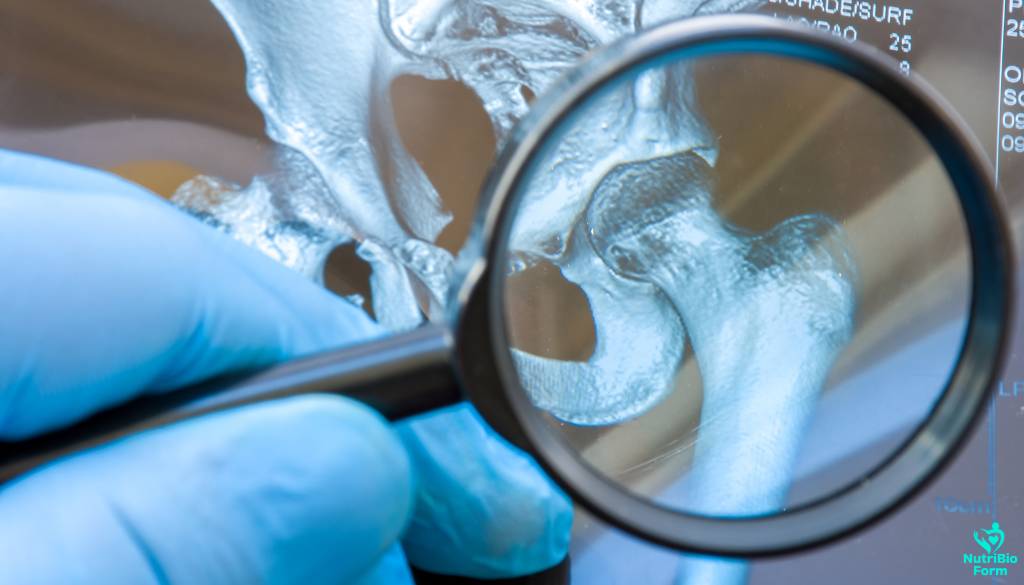
We start by explaining hip osteoarthritis. It’s a common condition where cartilage wears down, causing pain. This happens because the cartilage can’t cushion the joints as well as it used to.
What is Osteoarthritis?
Osteoarthritis is a condition that gets worse over time. It mainly affects older people. It can come from injuries or genetics. When cartilage wears away, it leads to pain and makes daily activities hard.
How Does it Affect the Hip Joint?
The hip joint is key for our movement. Its ball-and-socket design lets us move freely. But, when cartilage gets damaged, it causes pain and limits our movement.
Understanding these effects is important. It shows why we need to act fast to manage pain and improve mobility.
Causes and Risk Factors of Hip Osteoarthritis
Understanding what causes hip osteoarthritis is key to preventing and managing it. Many factors can lead to its development. Recognizing these can help us protect our joints. Key factors include aging, joint overuse, genetics, and obesity. Let’s dive into each of these.
Aging and Joint Overuse
Aging is a major factor in hip osteoarthritis. As we get older, our cartilage wears down, making joints more prone to damage. Activities or sports that strain the hips can make this worse. This wear and tear increases friction in the joint, speeding up osteoarthritis.
Genetic Predispositions
Genetics also play a big role in hip osteoarthritis. If your family has joint problems, you’re more likely to have them too. Certain genes can affect how well our joints stay healthy. This makes us more at risk for osteoarthritis as we age.
Other Contributing Factors
Being overweight is another big risk factor for hip osteoarthritis. Extra weight puts more stress on our hips, speeding up cartilage wear. Other factors like past injuries, hip dysplasia, and hormonal changes in women also increase risk. Knowing these factors helps us understand the complex nature of hip osteoarthritis.
| Factor | Description | Impact on Hip Osteoarthritis |
|---|---|---|
| Aging | Natural wear and tear on cartilage over time | Increases susceptibility to osteoarthritis |
| Joint Overuse | Repetitive activities or sports strain | Accelerates cartilage damage |
| Genetics | Family history of joint problems | Higher likelihood of osteoarthritis |
| Obesity | Excess weight on joints | Increases stress and accelerates degeneration |
| Prior Injuries | Past hip or joint injuries | Can lead to long-term joint problems |
Recognizing Hip Osteoarthritis Symptoms
Knowing the signs of hip osteoarthritis is key to catching it early. These signs can greatly impact our life and how we move. Common symptoms include pain, stiffness, and changes in how our joints work.
Pain in the Hip Area
Pain in the hip is a common symptom. It can get worse when we’re active or after sitting for a long time. Paying attention to this pain is important, as it’s a sign we need to act fast.
Stiffness and Reduced Mobility
Stiffness is more noticeable when we’re not moving. It makes simple tasks like walking or bending hard. Feeling stiff in the hips is a clear sign we need to take action.
Audible Sounds during Movement
Crepitus is another symptom we might hear. It’s the clicking or grinding sounds from the joint when we move. These sounds mean there’s a problem in the joint. Being aware of these sounds helps us keep an eye on our joint health.
Diagnosing Hip Osteoarthritis
The first step in diagnosing hip osteoarthritis is a detailed medical history and physical exam. We focus on symptoms and check how well the patient moves. This gives us a good idea of their condition.
Medical History and Physical Examination
We talk about past injuries and health issues that might cause hip pain. The physical exam tests strength, flexibility, and how well the hip moves. These tests help us decide what to do next.
Imaging Techniques for Accurate Diagnosis
After the initial checks, we use imaging to confirm the diagnosis. X-rays show signs like bone spurs and joint narrowing, which point to osteoarthritis. MRI gives us a closer look at cartilage and inflammation. These tools help us get a complete picture of the hip’s health.
Hip Osteoarthritis Symptoms: Osteoarthritis Treatment Options & Joint Pain Relief
Dealing with hip osteoarthritis means we need to know our treatment options. Finding ways to ease joint pain is key to a better life. We have many conventional treatments and natural remedies to choose from, each with its own benefits.
Conventional Treatment Methods
For hip osteoarthritis, doctors often suggest nonsteroidal anti-inflammatory drugs (NSAIDs) for pain and swelling. These drugs help a lot with quick pain relief. Physical therapy is also a common choice. It strengthens the muscles around the hip, supporting the joint and improving movement.
Changing our lifestyle can also help. Keeping a healthy weight and doing low-impact exercises reduce stress on the hip. This makes everyday tasks easier.
Natural or Alternative Treatment Options
Looking for natural ways to help? Natural remedies can add to what doctors suggest. Eating foods that fight inflammation, like fatty fish and leafy greens, is good for joints. Supplements like glucosamine and chondroitin can also help with cartilage health.
While these natural options aren’t a full replacement for medical care, they can improve our overall health. They help with joint pain relief too.
| Treatment Type | Description | Benefits |
|---|---|---|
| NSAIDs | Nonsteroidal anti-inflammatory drugs | Provides quick pain relief and reduces inflammation |
| Physical Therapy | Exercise and manual therapy to strengthen muscles | Improves strength and mobility, reduces joint stress |
| Dietary Adjustments | Incorporating anti-inflammatory foods | May reduce inflammation and enhance joint health |
| Supplements | Glucosamine and chondroitin | Supports cartilage function and joint comfort |
Nonsurgical Treatments for Hip Osteoarthritis
Nonsurgical treatments are key in managing hip osteoarthritis. They help us move better and feel less pain. We’ll look at lifestyle changes, physical therapy, and joint injections.
Lifestyle Modifications and Physical Therapy
Changing our lifestyle can really help with hip osteoarthritis. Losing weight and doing low-impact exercises are important. Swimming and cycling are great because they’re easy on the joints.
Physical therapy helps us get stronger and more flexible. This can make us feel better and move easier.
Medications for Pain and Inflammation
There are many medicines to help with pain. Nonsteroidal anti-inflammatory drugs (NSAIDs) can make it easier to do daily tasks. Doctors can pick the right medicine for us, based on our needs.
Joint Injections for Relief
Joint injections can also help. They use corticosteroids or hyaluronic acid to cut down on pain and swelling. These injections are used after other treatments, helping us move better and live more actively.
| Treatment Option | Description | Benefits |
|---|---|---|
| Lifestyle Modifications | Includes weight management and low-impact exercises. | Reduces joint stress, enhances overall fitness. |
| Physical Therapy | Structured exercise programs designed to strengthen muscles surrounding the hip. | Improves flexibility, enhances mobility. |
| Medications | NSAIDs and other medications to manage pain and inflammation. | Provides pain relief, improves daily function. |
| Joint Injections | Corticosteroid or hyaluronic acid injections for localized treatment. | Offers rapid pain relief, reduces inflammation. |
Surgical Options for Severe Cases
When we can’t find relief from hip osteoarthritis with non-surgical methods, surgery might be the next step. It’s important to know when to think about surgery and what options are out there. This knowledge helps us make the best choice for our health.
When to Consider Surgery
We should think about surgery if pain keeps us from doing everyday things. If medicines and physical therapy don’t work, it’s time to talk about surgery. Our age, health, and how damaged our hip is also play a role. Talking to doctors can help us decide if surgery is right for us.
Types of Surgical Procedures Available
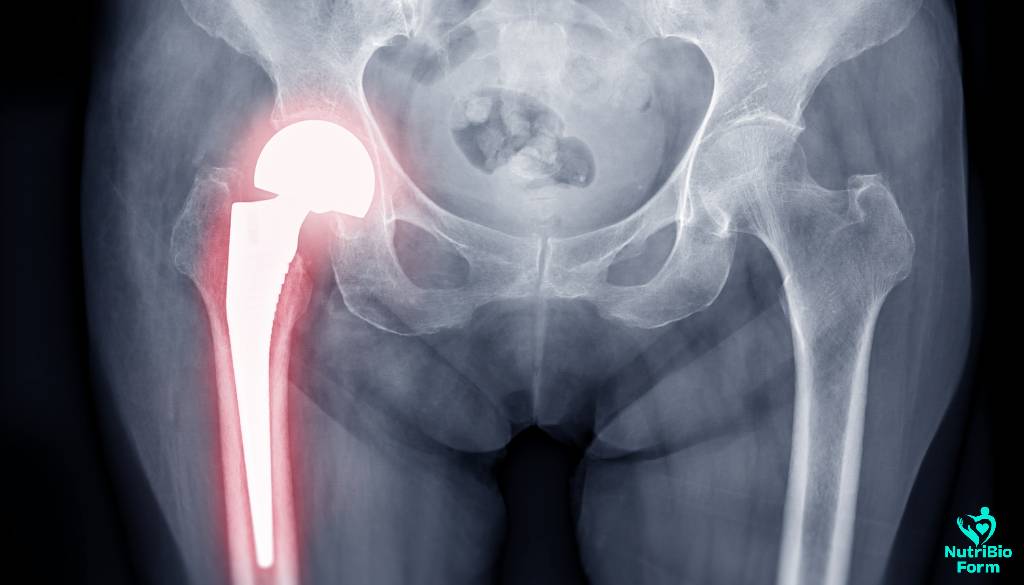
There are two main surgeries: hip replacement and hip fusion. Each is chosen based on the condition and what the patient needs.
| Procedure | Description | Ideal Candidates |
|---|---|---|
| Hip Replacement | This surgery replaces the damaged joint with artificial parts to ease pain and improve movement. | Those with severe damage and pain that stops them from moving well. |
| Hip Fusion | This surgery joins the bones of the hip to stop pain by eliminating movement. | People with certain damage who can’t find relief with other treatments. |
Long-term Management Strategies
Managing hip osteoarthritis over the long term needs a proactive approach. This includes regular exercise and healthy lifestyle choices. By adopting specific strategies, we can keep our mobility and well-being in check. A balanced routine supports joint health and helps manage pain.
Importance of Regular Exercise
Regular exercise is key in managing hip osteoarthritis. Low-impact activities like swimming, cycling, and walking are beneficial. They strengthen the muscles around the hip joint, improving flexibility and reducing symptoms.
Strength training also helps build muscle support, essential for joint function. Staying active improves our quality of life and reduces discomfort.
Weight Management and Healthy Lifestyle Choices
Effective weight management is crucial for long-term care. Excess weight strains our hip joints, worsening pain and limiting mobility. Adopting a healthy lifestyle, including balanced nutrition and regular exercise, helps manage weight sustainably.
Making informed dietary choices nourishes our bodies and gives us energy for exercise. Prioritizing a healthy lifestyle minimizes the impact of hip osteoarthritis. It helps us lead an active and fulfilling life.
Conclusion
Understanding hip osteoarthritis is key. Recognizing its early signs is crucial. This helps us catch it early and treat it effectively.
By taking action early, we can keep our mobility and quality of life high. It’s all about being proactive.
There are many ways to manage hip osteoarthritis. We can change our lifestyle or use medication. In severe cases, surgery might be needed.
Knowing about hip osteoarthritis and taking care of ourselves is important. It helps us live comfortably and move freely. By focusing on our health, we can enjoy our daily activities more.