
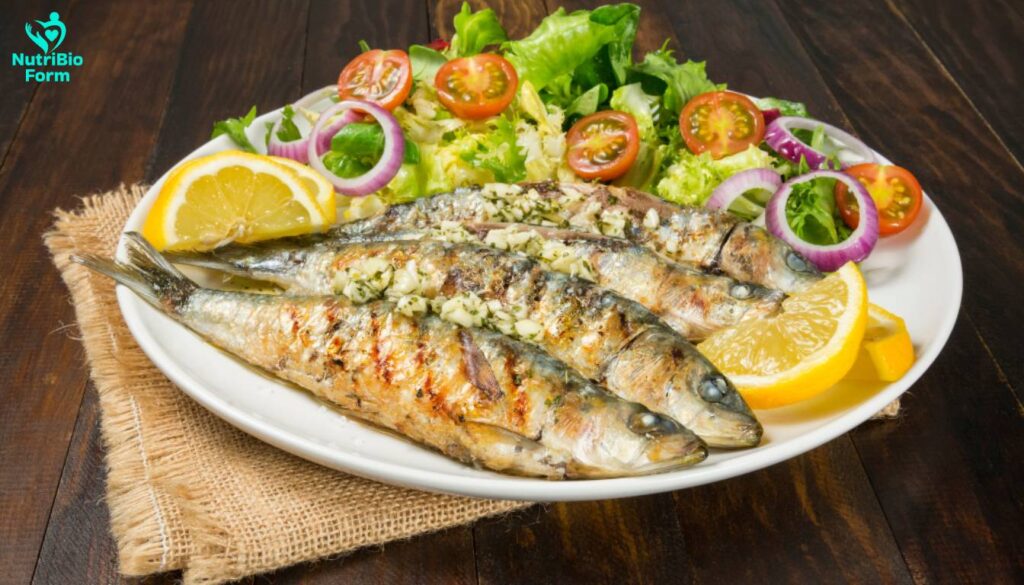

Sardines are a great choice for our diets, packed with nutrients. They are full of omega-3 fatty acids, protein, calcium, and vitamins D and B12. You can enjoy them fresh or from a can, making them perfect for busy days.
Exploring the health benefits of sardines can help us add them to our meals. This article will dive into their nutritional value and share tips on how to eat them. This way, we can make the most of sardines in a healthy diet.
Key Takeaways
- Sardines are nutrient-dense, providing omega-3 fatty acids and essential proteins.
- Canned sardines offer convenience and a long shelf-life for easy meal planning.
- Sardines support a healthy diet and can be incorporated into various recipes.
- They are an excellent source of calcium and vitamins critical for overall health.
- By including sardines in our meals, we can boost our nutritional intake effortlessly.
The Nutritional Powerhouse of Sardines
Sardines are a great addition to our diets. They offer many health benefits that can improve our well-being. Let’s look at the key nutrients that make sardines a favorite among health enthusiasts.
Rich in Omega-3 Fatty Acids
Sardines are packed with omega-3 fatty acids. A serving gives us about 1.8g of these fats. They are vital for heart health and fighting inflammation. Eating sardines helps us get enough omega-3s, supporting our body’s needs.
Packed with Protein and Calcium
Sardines are a great protein source, with 23g in a 4.4oz can. This helps repair muscles and supports growth, perfect for the active. Plus, they have 286mg of calcium, key for strong bones.
Vitamins and Minerals in Sardines
Sardines are full of vitamins and minerals that boost their health benefits. They’re rich in vitamin B12, selenium, iron, and magnesium. These nutrients help with energy, immunity, and bone strength. Adding sardines to our meals is a tasty way to get more nutrients.
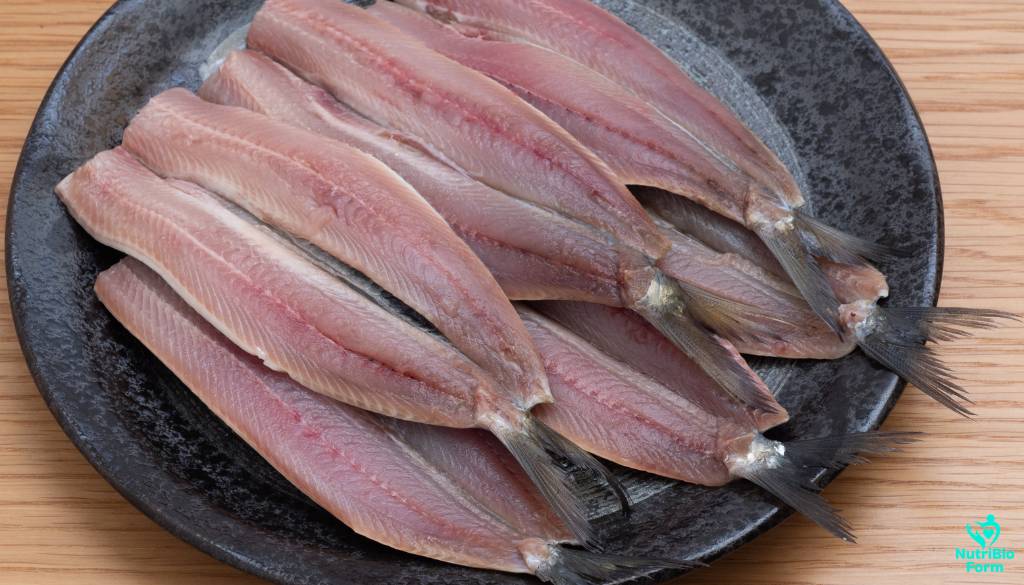
Sardines Health Benefits How to Eat Sardines Omega-3 Rich Foods
Sardines are packed with nutrients that boost our health in many ways. They are full of omega-3 fatty acids, which are good for our hearts and brains. Eating sardines can also reduce inflammation, strengthen bones, and improve our mental focus.
These small fish are easy to add to our diet because they are rich in omega-3s. They come in cans, making it simple to include them in our meals.
There are many tasty ways to enjoy sardines. You can have them as a quick snack or add them to salads and pasta. Here are some ideas:
- Sardines on whole grain toast topped with avocado
- Mixed into a green salad with olive oil and lemon dressing
- Pasta loaded with veggies and sardines for a hearty dish
Experts say we should eat two to three servings of seafood each week. Sardines are a great choice because they are tasty and nutritious. By eating sardines and trying new recipes, we can enjoy their many health benefits.
Supporting Heart Health
We often look to foods for heart health benefits. Sardines are a great choice, especially for preventing heart disease. They are full of omega-3 fatty acids, which are good for the heart.
Reducing the Risk of Heart Disease
At first, it might seem like sardines and heart disease aren’t connected. But studies show eating sardines regularly can lower heart disease risk. Just one to two servings a week can cut the risk by over a third.
The omega-3 in sardines helps blood vessels work better and reduces body inflammation. This is why they’re so good for the heart.
Lowering Blood Pressure and Improving Lipid Profiles
Sardines also help lower blood pressure. They have potassium and magnesium, which are key for healthy blood pressure. Including sardines in our diet can also improve our lipid profiles.
They boost HDL, or “good” cholesterol, and lower triglycerides. This is crucial for heart health.
Benefits for Bone Health
Sardines are great for our bones, making them a top pick for our diet. They’re packed with nutrients that help keep our bones strong. Just one serving of sardines gives us about 286 mg of calcium, which is a third of what we need daily.
Calcium and Vitamin D Content
Sardines are rich in calcium and vitamin D, key for strong bones. Vitamin D helps our body absorb calcium better, supporting our bones. Plus, eating the tiny bones in sardines adds more calcium, making them a fantastic food choice.
Maintaining Bone Density and Strength
Eating calcium vitamin D sardines regularly helps keep our bones healthy and strong. Studies show that eating sardines can improve bone strength as we get older. So, sardines are a great choice for anyone wanting to boost their bone health and enjoy a tasty meal.
| Nutrient | Amount per Serving (3.75 oz) | Daily Percentage |
|---|---|---|
| Calcium | 286 mg | 30% |
| Vitamin D | 270 IU | 68% |
| Protein | 23 g | 46% |
Enhancing Brain Function
We all want to stay sharp as we age. Eating sardines can be a tasty way to help our brains. They are full of omega-3 fatty acids, which are great for our brain health.
The Role of Omega-3s in Cognitive Health
Research shows omega-3s are key for a healthy brain. Eating foods like sardines can boost our memory and brain skills. This means we can remember things better and make smarter choices.
Supporting Healthy Aging and Reducing Alzheimer’s Risk
As we get older, the risk of brain diseases like Alzheimer’s goes up. Sardines, with their omega-3s, might help protect us. Eating them regularly can help keep our brains sharp as we age.
Reducing Inflammation
Sardines are great for fighting inflammation in our bodies. They are packed with omega-3s, which are anti-inflammatory. Eating sardines can boost our health and help us feel better.
How Omega-3s Help Combat Inflammation
Omega-3s are amazing at reducing inflammation. Foods like sardines give us these fatty acids. They change how cells work, making anti-inflammatory compounds. This can help with diseases like arthritis and heart problems.
The Anti-Inflammatory Properties of Sardines
Eating sardines regularly boosts our omega-3 levels. This helps fight inflammation well. Sardines are full of omega-3s, which can lower the risk of diseases. Adding sardines to our meals is tasty and good for our health.
Easy Ways to Eat Sardines
Sardines are not only nutritious but also incredibly versatile. They offer plenty of ways to add them to our meals. Whether as a quick snack or to enhance a dish, there are many easy sardine meals to make. With just a few simple ingredients, sardines can turn into delicious creations that please our taste buds.
Sardines on Toast or Crackers
One of our favorite sardines snacks is sardines on toast or crackers. This simple mix invites many topping options. We can add mustard or hot sauce for spice. Fresh veggies like diced tomatoes or sliced cucumbers add flavor and nutrition.
These sardines recipes make a great appetizer or light lunch.
Incorporating Sardines into Salads and Pasta Dishes
Adding sardines to salads or pasta dishes boosts the meal’s nutritional value. We can make a refreshing Mediterranean sardine salad with mixed greens, olives, and feta cheese. Or, mix sardines into pasta for a hearty dish that’s quick to make.
The flavors blend well with olive oil and herbs. These easy sardine meals show how versatile and tasty sardines are.
| Option | Main Ingredients | Description |
|---|---|---|
| Sardines on Toast | Sardines, toast, mustard, veggies | A quick, nutritious snack topped with essentials for flavor. |
| Mediterranean Sardine Salad | Sardines, mixed greens, olives, feta | A refreshing salad bursting with Mediterranean flair. |
| Sardines Pasta | Sardines, pasta, olive oil, herbs | An easy meal, perfectly combining flavors in no time. |
Preparation Tips for Sardines
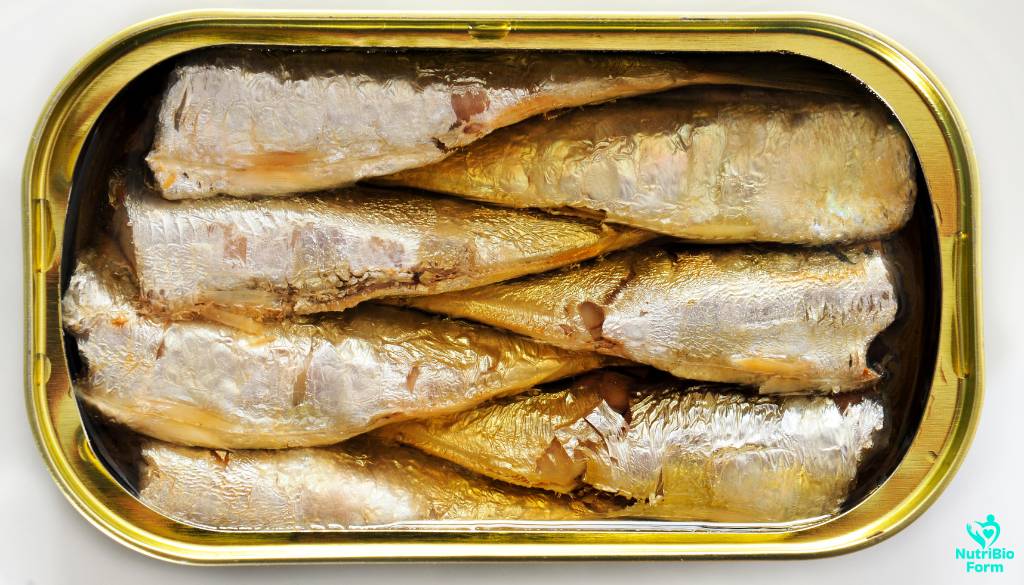
Choosing between fresh and canned sardines is a personal preference. Fresh sardines offer a rich taste when grilled, baked, or smoked. Canned sardines are convenient and packed with nutrients.
Choosing Fresh vs. Canned Sardines
Fresh sardines have a better texture and taste. They can be grilled or baked with olive oil and marinades. Canned sardines are easy to use and full of nutrients. Look for low-sodium canned options to control salt intake.
Flavor Pairings and Enhancements
Flavor pairings are key to making sardine dishes great. Lemon, garlic, and herbs add wonderful tastes. A mix of lemon, garlic, and parsley can make sardines a hit with everyone.
| Type | Preparation Method | Flavor Pairings |
|---|---|---|
| Fresh Sardines | Grilled, Baked, Smoked | Lemon, Garlic, Olive Oil, Fresh Herbs |
| Canned Sardines | Ready-to-eat, Mixed in Dishes | Hot Sauce, Mustard, Avocado |
Potential Concerns and Considerations
When we add sardines to our diet, we need to think about a few key points. These points are about their safety and nutritional value.
Mercury Levels and Safety
Sardines have low mercury levels compared to big fish like swordfish or shark. This makes them safer for most of us. But, it’s still important for pregnant women and young kids to be careful. Knowing about mercury levels in fish helps us make safe choices with sardines.
Sodium Content in Canned Sardines
Canned sardines are convenient, but they have a lot of sodium. This is a problem for people watching their blood pressure or heart health. We can manage our sodium by picking lower-sodium options or rinsing the sardines. Watching out for sodium canned sardines lets us enjoy them without harming our health.
| Fish Type | Mercury Level (ppb) | Sodium Level (mg per 3 oz) |
|---|---|---|
| Sardines | 20 | 350 |
| Salmon | 30 | 250 |
| Tuna (light) | 50 | 400 |
| Swordfish | 300 | 60 |
Conclusion
Adding sardines to our diet can bring many health benefits. These small fish are packed with omega-3 fatty acids, protein, and calcium. They help keep our heart, bones, and brain healthy.
By making sardines a regular part of our meals, we support healthy eating. It’s also a tasty way to add nutrients to our diet.
We should try different ways to prepare sardines. This makes them not just good for us but also enjoyable to eat. They can be on toast, in salads, or pasta dishes.
It’s key to know how to prepare sardines right and be mindful of health issues. By doing so, we can greatly improve our health and well-being.